Map the affected edges and laps
Identify the roof slopes or bays mentioned in an existing inspection report.
Roof project enquiries
Prepare a cut edge corrosion treatment enquiry in Stafford, distinguishing affected sheet edges, roof laps, substrate condition and the wider roof scope.
A focused serviceCut edge corrosion treatment
A clear enquiryScope, building and project priorities
Transparent rolesEnquiry website, not a roofing contractor
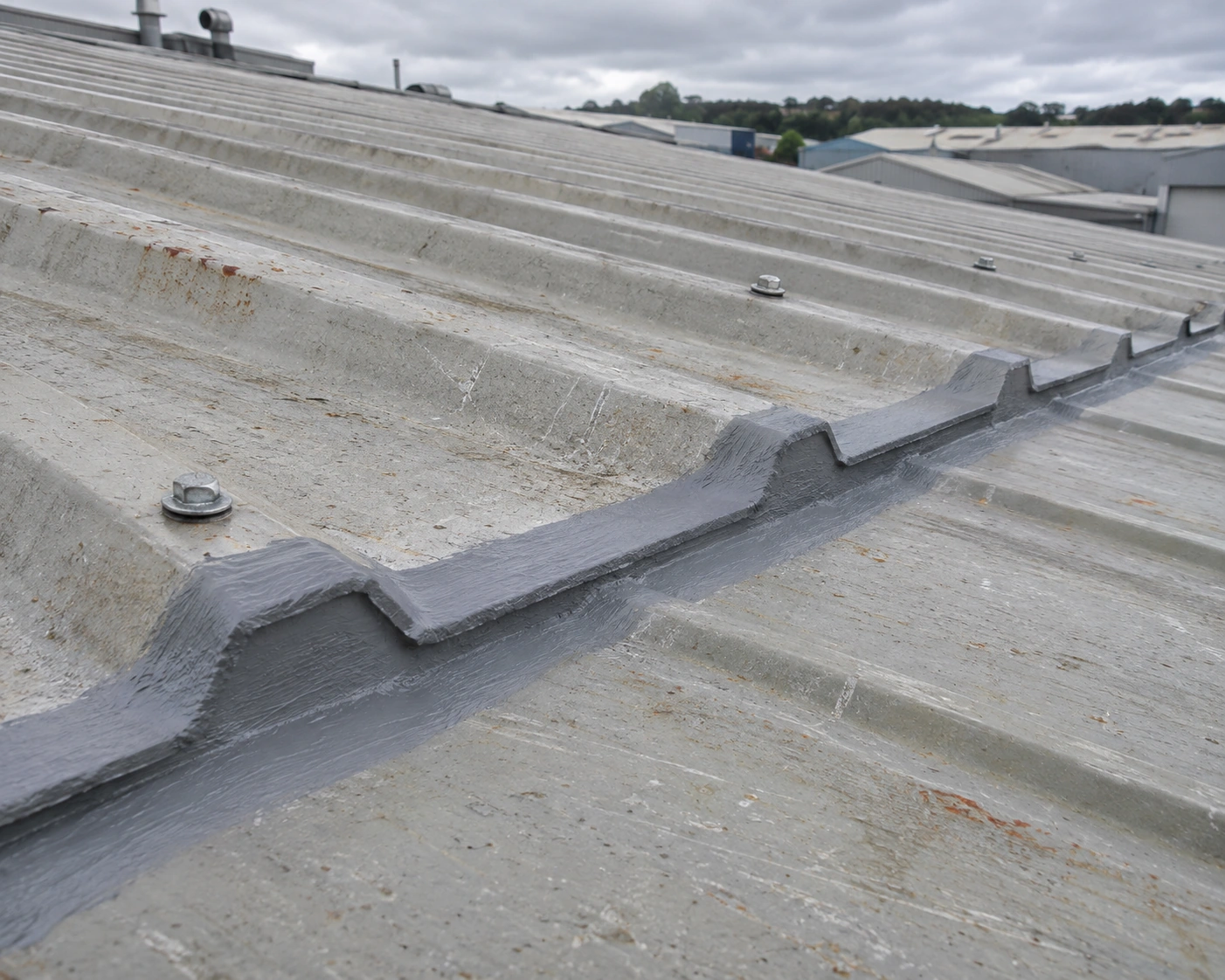
Cut-edge corrosion treatment focuses on deterioration associated with exposed edges of coated metal roof sheets, where an appropriate treatment is supported by assessment. A useful enquiry identifies which roof areas are involved, what records exist and whether leaks or wider coating problems have also been reported. The specialist should establish the extent and severity before explaining whether a local treatment, associated repairs or a different scope is needed.
Corrosion or coating breakdown at metal sheet edges and laps may need a targeted refurbishment assessment. The location and extent of deterioration matter: local edge treatment is not the same scope as recoating a complete roof or replacing sheets.
Stafford Cut Edge Care brings one project type into focus: cut edge corrosion treatment for premises in Stafford and the surrounding area. The aim is to help you move from a broad maintenance concern to an enquiry that explains what you want assessed. You can start with the information you have, without inventing dimensions or selecting a system before a specialist has considered the building.
Start your enquiryThis website is for industrial property owners, maintenance managers and commercial landlords considering assessment and treatment of cut-edge corrosion on suitable profiled metal roofing. The service guide helps organise the scope, the survey questions and the practical constraints. It does not decide the right specification for an individual roof. That decision needs an appropriately qualified and experienced professional with access to the relevant building information.
A useful brief connects the roof to the business beneath it. Explain whether people work below the proposed area, whether stock or equipment needs particular protection, and who controls access. If a landlord, tenant and managing agent are all involved, identify who can approve the work and who can coordinate the site. Those details help prevent an apparently simple enquiry becoming an incomplete instruction.
This is an independent enquiry-matching service operated by NovaFlip. It helps you organise the project information and discuss a suitable contractor. An appointed contractor is responsible for its own assessment, quotation and work. Read the disclosure for details of the website’s role.
About Stafford Cut Edge Care →The dedicated service page focuses on the questions that matter for this type of work. Its purpose is to help you describe the project and compare the scope of a contractor’s proposal, rather than give a generic answer for every roof. These are the central topics to bring into the conversation:
Identify the roof slopes or bays mentioned in an existing inspection report.
Local treatment depends on the condition of the sheet and the extent of corrosion.
Ask for the proposed treatment system and how it suits the existing metal and coating.
A focused cut-edge project may leave most of the roof surface untreated.
Ask for a record of the treated areas, associated repairs and any exclusions. Establish what future inspection or maintenance the proposed system requires and who should be contacted if deterioration reappears. A handover record helps the building manager distinguish completed edge work from retained areas at the next condition review. Any warranty should be read in full, including its application conditions and the responsibilities retained by the owner.
Read the full service guideStafford is the centre of this proposed catchment. The location guides include neighbourhoods and nearby towns so you can organise the information for the actual building. The property postcode matters more than the address on a company registration: use the place where the work is required, plus the unit or entrance details that a visitor would need.
The listed areas are planning guides, not branch offices or proof of contractor availability. Coverage will need to be agreed for each project. If your organisation manages more than one building, prepare a separate scope for each postcode and identify any common decision-maker. A clear portfolio enquiry still needs individual site information so different roofs are not accidentally treated as one job.
View all proposed service areas →Separate existing survey findings from observations and assumptions. A report, a leak history and a photograph are different kinds of evidence; label them so the contractor understands the starting point.
Ask the contractor to identify treatment boundaries on the handover record so future inspections can distinguish treated edges from other retained roof areas.
Give each contractor the same description, boundaries and operating constraints. Record differences in specification and exclusions alongside the price so the quotations are easier to assess.
Your enquiry goes to NovaFlip first. We discuss a suitable contractor with you before sharing details, so you understand who may contact you and why.
You do not have to write a specification yourself. A useful first enquiry can be a straightforward explanation of the building, what prompted the project and what you want a professional assessment to resolve. Unknown information is acceptable when it is marked clearly. Avoid turning an approximate roof area or a target date into an apparent commitment.
The enquiry should also explain your role. An owner planning capital works, a tenant gathering options and a facilities manager responding to an inspection may have different approval paths. Identifying that context helps the eventual contractor understand which stage the project has reached and which people need to be involved.
Put your project details in order →A local project is shaped by the particular site. A shared yard, delivery route, adjoining unit or customer entrance can affect how an assessment is arranged and how later works are planned. Include those details even if they seem obvious to the people who use the building every day. A contractor visiting for the first time will not know which gate is locked or who authorises access.
Our area guides help you think about those practical questions without claiming that every building in a town has the same roof or the same constraints. Use the guide as a prompt, then describe your own property. Where more than one business is affected, establish who will coordinate communication and make sure a proposed programme reflects the activities below the roof.
A useful first conversation makes responsibilities clear. Ask a contractor for its company details, relevant experience and written scope. Keep the survey findings and proposal with your building records so the people approving the work can see what is included and which questions remain open.
Find the guide for your building location →Not necessarily. It can be a targeted edge treatment. Ask for the treated lengths or areas and any wider roof coating to be stated separately.
Suitability depends on the remaining sheet condition and extent of deterioration. The specialist should explain when repair or replacement is more appropriate.
Roof area provides context, but targeted edge work needs the affected locations and treatment extent assessed. Access and associated repairs also influence the scope.
Have the property postcode, building use, project scope and preferred timing ready. Add an existing report reference if available and list the questions you want a specialist to answer. Check your contact details before sending the enquiry.
We review your enquiry and discuss suitable contractors with you before sharing your details. You choose whether to proceed with a contractor. A survey, quotation and any works must be agreed separately with the company you appoint.
Send your project enquiryYour next step
Postcode, scope and timing. Start with what you know.